
Runner’s Knee Treatment in Wheat Ridge, Colorado
Pain around the kneecap on stairs, hills, or after sitting — you don’t have to be a competitive runner to have runner’s knee, and you usually don’t have to stop moving to fix it.
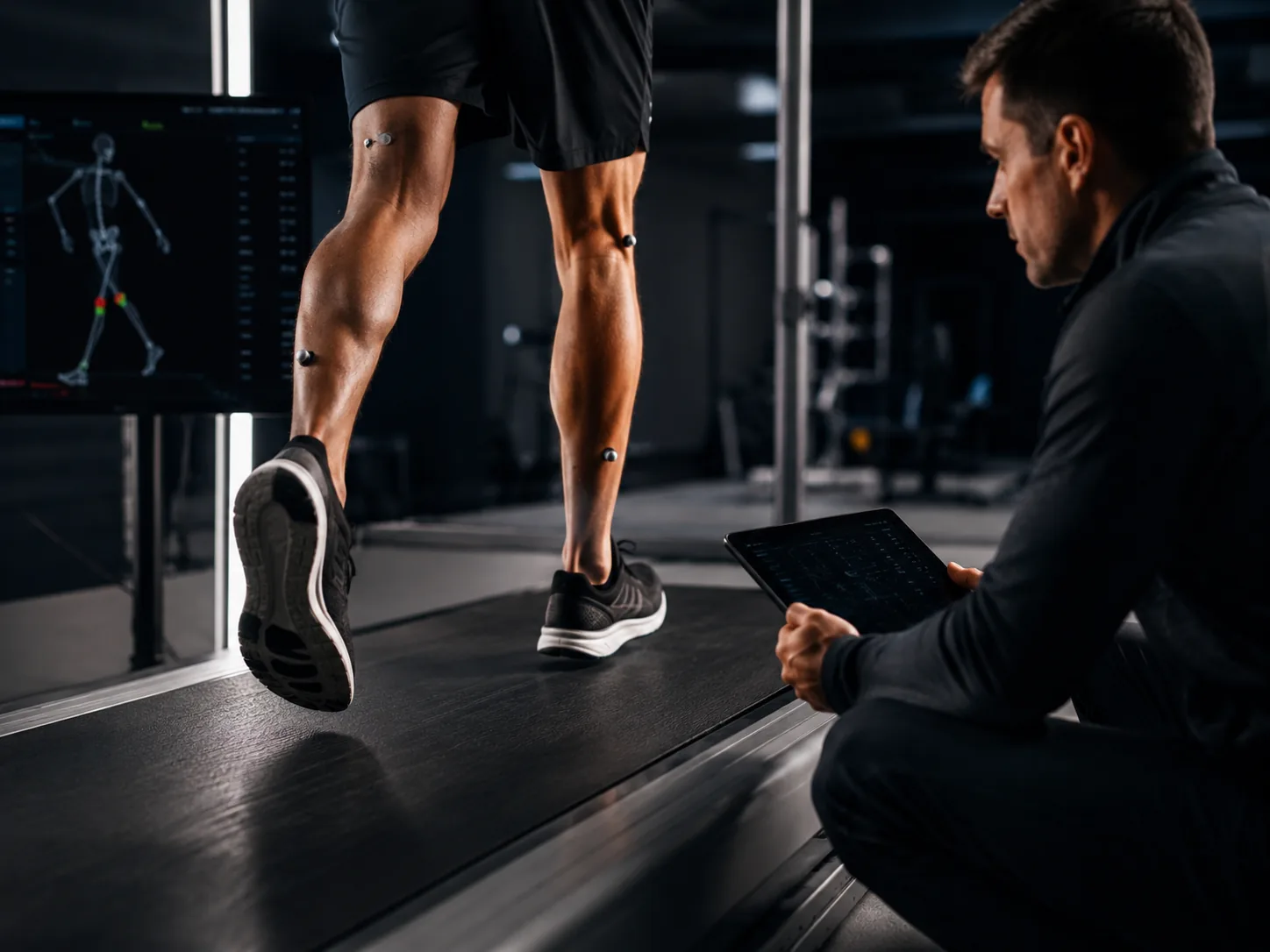
What is Runner’s Knee?
Runner’s knee (patellofemoral pain) is pain around or behind the kneecap, aggravated by running, stairs, or sitting with bent knees. It is one of the most common overuse complaints in active adults — and one of the most fixable.
What causes runner’s knee?
Training load that increased faster than tissue could adapt, hip and quad strength imbalances, worn footwear, and movement mechanics all contribute. It is rarely one thing — which is why quick fixes often fail.
When should I see a doctor for runner’s knee?
It may be worth scheduling an evaluation if the following sounds familiar: if knee pain is altering your stride, shortening your runs, or persisting beyond a few weeks of reduced mileage — before compensation patterns create second problems.
How Ridgeview evaluates runner’s knee in Wheat Ridge
The knee hurts; the cause usually lives elsewhere.
- Examination of the kneecap and surrounding structures
- Hip and quad strength assessment
- Movement and gait review
- Training history: what changed before the pain started
- Footwear review
Common signs + symptoms
Aching around or behind the kneecap
Pain descending stairs or hills
Pain after sitting with knees bent
Grinding sensation with bending
Pain that builds with mileage
Related conditions
Treatment depends on what is actually causing the problem.
Depending on your diagnosis, treatment may include:
Load management — usually modified training, not full rest
Hip and quadriceps strengthening
Cadence and footwear adjustments
A graded build back to full mileage
Further evaluation if pain persists despite a real rehab effort
Runner’s Knee: Common Questions
Can I keep running with runner’s knee?
Often, with changes. Cutting back mileage, hills and speed work while strengthening the hips and thighs lets many runners keep training. Pain that builds during a run is a sign to back off.
What causes runner’s knee?
Usually a jump in training load combined with weakness in the hips and thighs, new shoes or running surfaces, or running mechanics that overload the kneecap.
How long does runner’s knee take to get better?
Most runners improve within six to twelve weeks with load management and a strengthening program.
Related reading: Runner’s knee treatment
Medically reviewed by Christopher Kroner, MD, MPH, primary care and sports medicine physician. Last reviewed October 30, 2026.
Why Choose Ridgeview DPC for Runner’s Knee Care?
Runner’s knee can stem from tracking issues, weak hips, overtraining, or worn-down footwear — and the right fix depends on figuring out which of those is actually driving your pain. At Ridgeview Direct Care, Dr. Kroner takes a thorough look at your training, mechanics, and history to build a treatment plan that gets you back to running, not just tells you to stop. As a member, you get same-day and next-day appointments when pain flares up, unhurried visits with no 15-minute limit, and direct text or call access to your doctor as you work through recovery. No insurance paperwork, no surprise bills — just personal, practical care focused on keeping you moving.
Why Ridgeview
Diagnosis, treatment, and a safe return.
Dr. Kroner assesses movement patterns, strength, and training history — not just the knee itself — and builds a plan that keeps you moving while the underlying drivers are corrected.
Get clarity on what’s causing it.
The first step is understanding what is happening and what your options are. Schedule an evaluation with Dr. Kroner at Ridgeview Direct Care.
Visit Ridgeview Direct Care
Ridgeview Direct Care
Address: 4045 Wadsworth Blvd Ste 300, Wheat Ridge, CO 80033
Phone: 720-807-9961