
It has been four days since your son’s concussion at hockey practice. His headache is mostly gone, he is bored out of his mind, and he wants to know two things: when can he go back to school, and when can he get back on the ice? You want to say yes to both, but you also want to get it right.
The good news is that recovery from a concussion follows a fairly predictable path for most kids, teens and adults. The protocol has two tracks that run in a specific order. Return to learn comes first. Return to play follows, one step at a time, with a provider’s approval. Here is how each one works.
Why the order matters
A concussion is a brain injury, even when the hit looked minor and nobody lost consciousness. Thinking, reading, screens and physical exertion all ask the brain to work, and pushing too hard too soon can bring symptoms back. That is why most sports medicine physicians, including Dr. Christopher Kroner at Ridgeview, put school before sport. A student who is managing a full school day without symptoms is in a much better position to start exercising.
For young athletes in Colorado, there is also a legal piece. Under the state’s youth concussion law, an athlete removed from play for a suspected concussion cannot return to practices or games until a health care provider evaluates them and gives written clearance.
The first day or two
Right after the injury, the goal is relative rest, not total isolation. Limit screens, schoolwork and anything that clearly makes symptoms worse, and get plenty of sleep. Light activity such as a short walk is usually fine as long as it does not worsen symptoms. Avoid alcohol, and check with a doctor before taking anything beyond acetaminophen for a headache.
Call 911 or go to the emergency room for a headache that keeps getting worse, repeated vomiting, a seizure, slurred speech, weakness or numbness, one pupil larger than the other, increasing confusion or difficulty waking up.
Return to learn, step by step
According to the CDC guidance on returning to school after a concussion, most children can return to school within one to two days. Many will still have some symptoms when they go back, and that is expected. Getting back to school with the right supports can actually help recovery.
Start with a plan from your provider. Ask the provider who evaluates your child for written recommendations for the school. At Ridgeview, you leave a concussion visit with a written plan for school or work, activity and follow-up.
Next, use short-term accommodations. Common supports during the first weeks include:
- Shorter school days or a later start for a few days
- Extra time on assignments and tests, or one test per day
- Rest breaks and permission to visit the nurse for headaches
- Breaks from screens, a quieter place to work and sunglasses if bright light is a problem
- Class notes provided so your child is not straining to copy everything down
Finally, remove supports as symptoms fade. As your child feels better, the school can gradually take these changes away. The goal is a full normal school day without symptoms coming back.
Return to play, step by step
Once your child is back to regular activities like school and their provider gives the green light, the return to play progression begins. The CDC six-step return to play progression is based on the international concussion in sport guidelines, and each step typically takes at least 24 hours.
- Step 1, back to regular activities. School and normal daily life are going well, and the provider has approved starting the progression.
- Step 2, light aerobic activity. About 5 to 10 minutes on an exercise bike, walking or light jogging to raise the heart rate. No weightlifting yet.
- Step 3, moderate activity. Moderate jogging, brief running, moderate stationary biking and lighter weightlifting than usual.
- Step 4, heavy non-contact activity. Sprinting, high-intensity biking, the regular weight routine and non-contact sport-specific drills.
- Step 5, practice and full contact. A return to full practice, including contact where the sport calls for it, in a controlled setting.
- Step 6, competition. Back to games and competition.
What to do if symptoms come back
The progression only moves forward when there are no new symptoms at the current step. If a headache, dizziness or fogginess returns, that is a sign your child is pushing too hard. Stop the activity, let the provider know, and after more rest without symptoms, restart at the previous step. A setback like this is common and does not mean recovery has failed.
When recovery takes longer than expected
Most people recover within a few weeks. MedlinePlus, from the National Library of Medicine advises contacting your provider if symptoms are not going away or not improving after two or three weeks. If symptoms hang on, it is worth a closer look at what may be keeping them going, such as a neck injury, vision or balance problems, poor sleep, ongoing headaches or mood changes. Dr. Kroner looks for those drivers and coordinates referrals, such as vestibular therapy, when they are needed. You can read more about how he approaches concussion evaluation and management in Wheat Ridge.
If you are still learning to spot the early signs, our guide to concussion signs every Colorado parent should know is a good companion to this article.
Getting help in Wheat Ridge
Concussion evaluations at Ridgeview Direct Care are open to members and non-members, and Dr. Kroner provides written clearance once the progression is complete. Ridgeview also cares for children and teens as part of its primary care practice. A direct primary care membership is not health insurance, so most families keep a separate plan for hospital care, imaging and specialists.
If you would like to meet Dr. Kroner first, you can book a free 30-minute meet and greet or call 720-807-9961. The office is at 4045 Wadsworth Blvd Ste 300 in Wheat Ridge, serving Arvada, Lakewood, Golden, Edgewater and west Denver.
This article is for educational purposes only and is not a substitute for individual medical advice. Please see our medical disclaimer.
Medically reviewed
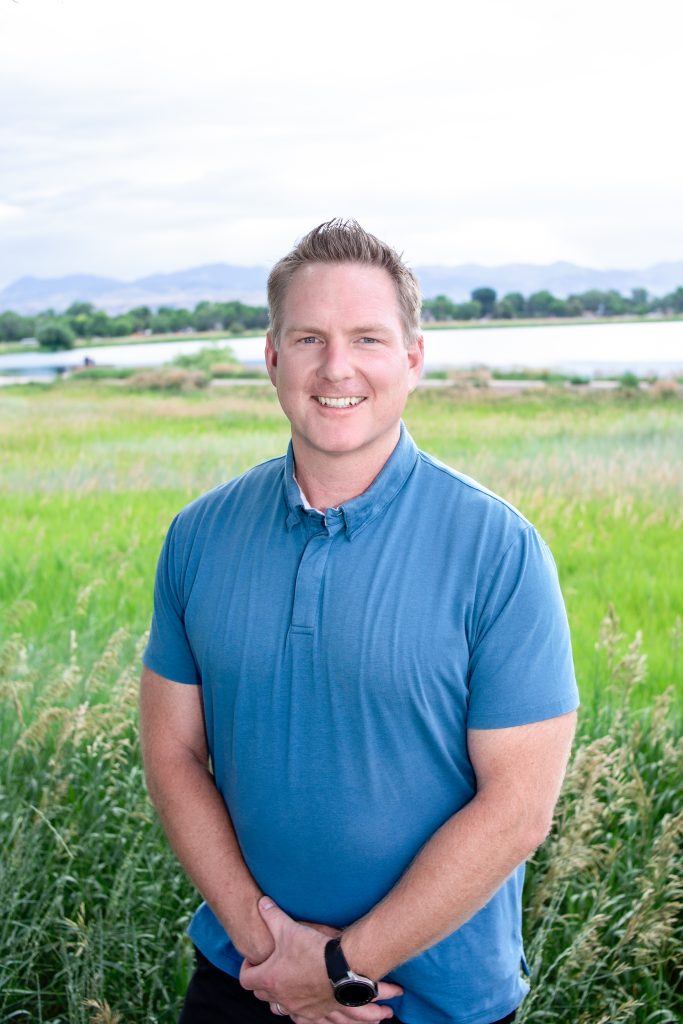
Family medicine and sports medicine physician, Ridgeview Direct Care, Wheat Ridge, CO
Dr. Kroner is a family and sports medicine physician, a former Clinical Professor and Chief of Primary Care Sports Medicine at UC Irvine, and a former team physician for the Anaheim Ducks. He sees patients at Ridgeview Direct Care in Wheat Ridge, CO.
Last reviewed November 18, 2026.